
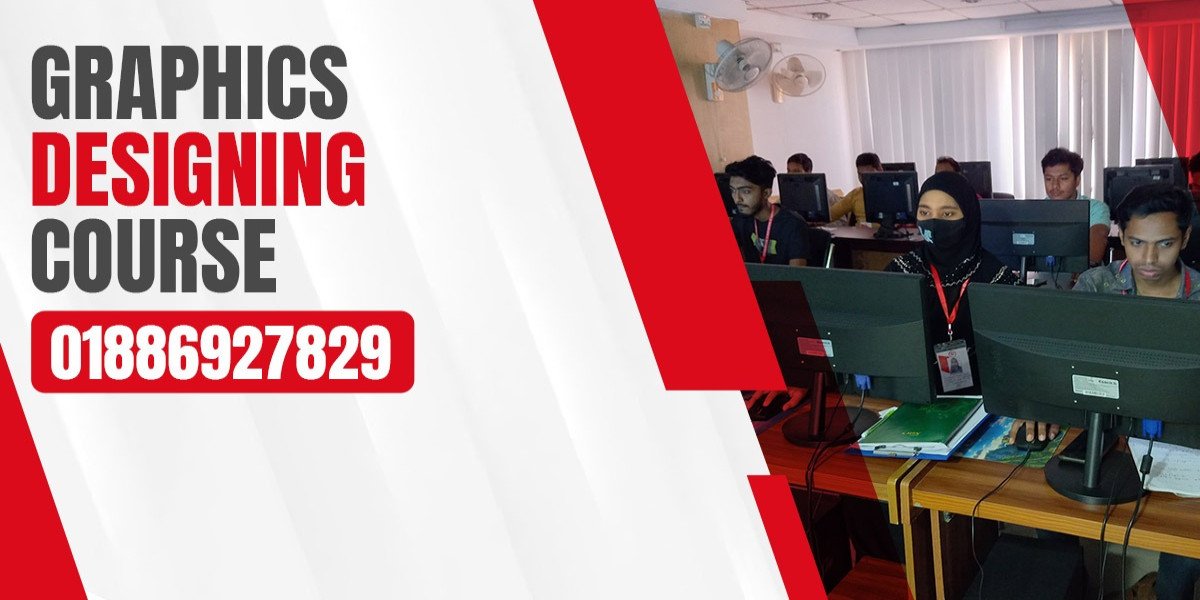
Graphics Designing Course: Complete Guide to Skills, Career & Opportunities
In today’s visually driven digital economy, creative design skills have become a powerful career asset. A graphics designing course equips learners with the technical expertise, creative mindset, and industry-standard tools required to create impactful visual content for digital and print media.
For course details, admission guidance, and career consultation, most professional training institutes can be contacted through the following channels:
Contact Information (Nebula IT Bangladesh):
• Phone: +880 1886927829
• Email: info@nebulaitbd.com
• Website: www.nebulaitbd.com
• Location: 184, Senpara Parbata, Razia Plaza (4th Floor), Mirpur-10, Dhaka 1216
Whether you are a student, job seeker, entrepreneur, or freelancer, enrolling in a structured graphics designing course can open doors to high-demand career opportunities in Bangladesh and globally.
What Is a Graphics Designing Course?
A graphics designing course is a professional training program that focuses on visual communication through typography, imagery, layout, and color theory. The course teaches learners how to use design software and creative strategies to produce logos, branding materials, social media creatives, advertisements, UI elements, and print designs.
Unlike basic design tutorials, a professional graphics designing course follows a structured curriculum aligned with current industry standards and client expectations.
Why Choose a Graphics Designing Course?
The demand for skilled graphic designers is growing rapidly due to digital transformation across industries. Businesses now rely heavily on visual branding to connect with their audience.
Key reasons to choose a graphics designing course include:
- High demand in local and international job markets
- Opportunities for freelance and remote work
- Creative and flexible career path
- Strong earning potential with experience
- Applicability across multiple industries
A graphics designing course helps learners turn creativity into a sustainable profession.
Core Skills You Will Learn in a Graphics Designing Course
A comprehensive graphics designing course focuses on both creative concepts and technical execution. Core learning areas typically include:
Design Fundamentals
- Color theory and psychology
- Typography and font pairing
- Layout and composition principles
- Visual hierarchy and balance
Software Proficiency
- Adobe Photoshop
- Adobe Illustrator
- Adobe InDesign
- Canva (for digital marketing creatives)
Branding & Visual Identity
- Logo design concepts
- Brand guidelines creation
- Corporate identity design
Digital & Print Design
- Social media creatives
- Web and UI design basics
- Flyers, brochures, banners
- Print-ready file preparation
By completing a graphics designing course, learners gain industry-ready technical competence.
Who Should Enroll in a Graphics Designing Course?
A graphics designing course is suitable for individuals from diverse backgrounds, including:
- Students seeking a creative career
- Freelancers wanting to expand services
- Marketing professionals
- Entrepreneurs and business owners
- Career switchers from non-technical fields
No advanced technical background is required; most courses start from basic concepts and progress to advanced applications.
Career Opportunities After Completing a Graphics Designing Course
One of the biggest advantages of a graphics designing course is the wide range of career paths it offers. Popular job roles include:
- Graphic Designer
- Visual Content Creator
- Brand Designer
- Social Media Designer
- UI/UX Design Assistant
- Freelance Graphic Designer
With experience and a strong portfolio, professionals can work with agencies, corporations, startups, or international clients through freelancing platforms.
Freelancing & Global Opportunities
A professional graphics designing course also prepares learners for freelancing marketplaces such as Fiverr, Upwork, and Freelancer. Designers can earn in foreign currency by serving global clients.
Freelancing benefits include:
- Remote work flexibility
- Project-based income
- International exposure
- Scalable personal brand
Many successful freelancers start their journey after completing a structured graphics designing course.
Duration and Learning Structure
The duration of a graphics designing course typically ranges from 3 to 6 months, depending on the curriculum depth. A professional course includes:
- Instructor-led training
- Practical assignments
- Real-world projects
- Portfolio development
- Career and freelancing guidance
Hands-on practice is essential to mastering design tools and concepts.
Importance of Portfolio Development
A strong portfolio is the most valuable outcome of a graphics designing course. Employers and clients evaluate skills based on real design samples rather than certificates alone.
A professional course helps learners build:
- Logo design samples
- Social media campaign creatives
- Branding projects
- Print and digital designs
A well-structured portfolio significantly increases job and freelance success rates.
Why Professional Training Matters
Self-learning has limitations when it comes to structured growth. A professional graphics designing course ensures:
- Industry-aligned curriculum
- Expert mentor guidance
- Constructive feedback
- Career roadmap and support
Professional training shortens the learning curve and improves employability.
Future Scope of Graphics Designing
The future of graphic design is closely tied to digital marketing, branding, and user experience. As businesses continue to invest in digital presence, the demand for skilled designers will continue to rise.
A graphics designing course provides long-term career stability and adaptability in an evolving digital landscape.
FAQs
1. What is a graphics designing course?
A graphics designing course is a professional training program that teaches visual design principles, creative tools, and industry-standard practices for digital and print media.
2. Who can join a graphics designing course?
Anyone with basic computer knowledge and an interest in creativity can enroll in a graphics designing course, including students, professionals, and freelancers.
3. What software is taught in a graphics designing course?
Most professional graphics designing courses cover Adobe Photoshop, Illustrator, InDesign, and design tools used in the industry.
4. Is a graphics designing course good for freelancing?
Yes, a graphics designing course is highly suitable for freelancing and remote work opportunities with local and international clients.
5. How long does it take to complete a graphics designing course?
Typically, a graphics designing course takes 3–6 months, depending on course depth and practice hours.
6. What career opportunities are available after a graphics designing course?
Graduates can work as graphic designers, visual content creators, brand designers, or freelancers.
7. Do I need prior design experience to join a graphics designing course?
No prior design experience is required to enroll in a graphics designing course. Most professional courses start with basic design concepts and gradually move to advanced tools and techniques.
8. Can a graphics designing course help me get a job in Bangladesh?
Yes, completing a graphics designing course can help you qualify for entry-level and mid-level design roles in agencies, IT firms, and corporate organizations across Bangladesh.
9. What is the earning potential after completing a graphics designing course?
Earning potential varies by skill level and experience. Graduates of a graphics designing course can earn through full-time jobs, part-time work, or freelancing with local and international clients.
10. Does a graphics designing course include practical projects?
Yes, a professional graphics designing course includes hands-on projects, real-world assignments, and portfolio development to prepare learners for industry requirements.
Conclusion
A graphics designing course is an excellent investment for anyone looking to build a creative, flexible, and future-proof career. With structured learning, hands-on projects, and professional guidance, learners can transform creative passion into real-world success. As visual communication continues to dominate digital platforms, skilled graphic designers will remain in high demand across industries.


Leave A Comment
All fields marked with an asterisk (*) are required